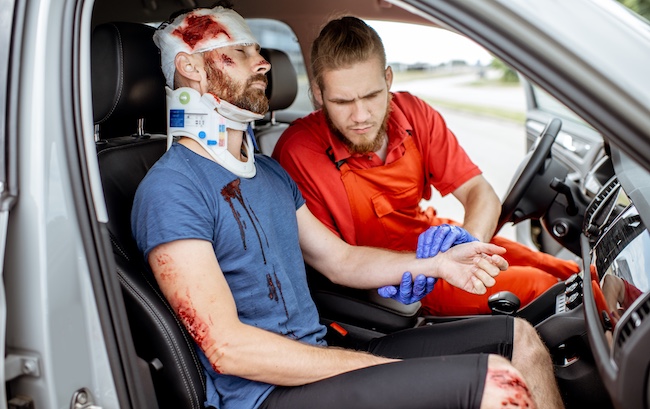
Understanding Neurocognitive Injuries After a Crash in Georgia
A car accident can change more than your daily routine; it can change how your brain works. Many Georgia crash victims suffer neurocognitive injuries after a crash without realizing it. These hidden injuries can cause memory problems, mood swings, and confusion long after the visible wounds heal.
Understanding how brain trauma occurs, how to recognize the signs, and what legal steps to take can make a major difference in recovery and compensation. An experienced Atlanta personal injury lawyer can help victims identify these invisible injuries and protect their rights under Georgia law.

What Are Neurocognitive Injuries After a Crash?
Car accidents often cause more than physical injuries. Many victims experience neurocognitive injuries after a crash, which can silently affect brain function and long-term health.
Definition and Overview
Neurocognitive injuries refer to changes in the brain that impact thinking, memory, and decision-making after a traumatic event. These injuries often occur following motor vehicle accidents, where sudden impact or violent motion harms brain tissue. Victims may experience issues with cognitive skills, emotional regulation, and concentration, even when no visible head injury is present.
Types of Brain Injuries
A traumatic brain injury (TBI) is the most common cause of neurocognitive problems after a crash. TBIs range from mild traumatic brain injury (such as a concussion) to moderate or severe TBI involving significant damage to brain cells or blood vessels. A closed head injury, where the skull remains intact but the brain moves inside it, can still cause serious harm. In severe cases, repeated trauma may lead to conditions like chronic traumatic encephalopathy or traumatic encephalopathy syndrome.
Hidden Nature of Brain Damage
Many brain injuries remain hidden at first. The brain can suffer microscopic damage such as diffuse axonal injury, where nerve fibers tear during impact. These injuries often go unnoticed in standard scans but lead to cognitive impairment, memory problems, and emotional changes over time. Even mild head injuries can disrupt normal brain function and cause lasting difficulties if untreated.
Why Neurocognitive Injuries Matter
Neurocognitive injuries affect every part of daily life. Victims may struggle with work performance, relationships, and basic self-awareness. Early recognition and medical treatment are critical to prevent permanent brain damage and protect legal rights under Georgia law. Anyone showing signs of cognitive difficulties or mental fog after a car accident should seek medical attention immediately.
How a Crash Can Cause These Injuries
A car crash can cause violent forces that damage the brain even without visible impact or bleeding. Understanding how these injuries happen helps explain why so many victims experience lasting cognitive problems.
Sudden Acceleration and Deceleration
In motor vehicle accidents, the brain moves inside the skull when the head stops suddenly. The motion stretches and tears nerve fibers, leading to diffuse axonal injury. Even without a direct blow, this motion can disrupt normal brain function and trigger symptoms like confusion, dizziness, or blurred vision.
Direct Head Impact
A head injury from striking a steering wheel, dashboard, or window can cause bruising or bleeding in brain tissue. The impact may result in a closed head injury or, in severe cases, a skull fracture. These injuries can increase intracranial pressure and restrict blood flow, leading to permanent brain damage or, in rare cases, brain death.
Internal Brain Damage
Inside the skull, the brain may swell or develop blood clots after trauma. The pressure can cut off oxygen and nutrients to brain cells, causing cognitive impairment and memory problems. Some patients experience post-concussion syndrome, where symptoms such as fatigue, irritability, and poor concentration persist for weeks or months.
Chemical and Cellular Changes
Crash-related trauma can disturb the brain’s chemistry. Damaged cells release substances that trigger inflammation and further harm nearby nerve fibers. This cascade can affect areas that control attention, reasoning, and thinking skills. Even a mild traumatic brain injury (TBI) can lead to measurable declines in cognitive performance if untreated.
Why Even Minor Crashes Can Be Serious
Many mild head injuries occur in low-speed collisions. The absence of visible wounds often causes victims to underestimate the damage. However, research from neurological studies shows that repeated minor trauma can contribute to long-term conditions such as chronic traumatic encephalopathy. Every head trauma deserves careful medical evaluation to rule out hidden brain injuries.

Recognizing the Hidden Signs: Cognitive and Emotional Effects
Many victims of car accidents experience symptoms of neurocognitive injuries after a crash days or weeks later. Recognizing these hidden signs early can prevent long-term brain damage and improve recovery.
Changes in Thinking and Memory
One of the most common signs of a traumatic brain injury (TBI) is difficulty with thinking and memory. Victims may forget daily tasks, lose focus easily, or struggle to process information. These cognitive difficulties can affect work, school, and personal relationships. Even a mild TBI can cause noticeable problems in short-term memory and decision-making.
Emotional and Behavioral Shifts
Injuries that disrupt brain circuits controlling mood can lead to emotional changes. Victims may feel more irritable, anxious, or depressed than before the crash. Family members often notice personality shifts or other unusual behavior. These emotional effects are part of the brain injury itself, not a separate mental health issue.
Physical and Sensory Symptoms
Head injuries often bring physical warning signs that accompany cognitive changes. Persistent headaches, blurred vision, dizziness, or nausea can indicate internal brain trauma. Repeated vomiting, disturbed sleep patterns, or sensitivity to light and noise may also point to a closed head injury or post-concussion syndrome.
Delayed Onset of Symptoms
Many victims ignore symptoms because they appear long after the initial head trauma. The brain’s response to injury can evolve over time as swelling or inflammation increases. A person may seem fine after the crash, then develop cognitive impairment or mood swings days later. Delayed symptoms are common in mild head injuries and often lead to missed diagnoses.
When to Seek Medical Help
Anyone showing signs of confusion, memory loss, or emotional instability after a car accident should seek medical attention immediately. Doctors can use brain imaging and neuropsychological tests to assess damage and start early treatment. Prompt care is vital to restore normal brain function and prevent more severe complications such as chronic traumatic encephalopathy.
Legal Implications for Georgia Crash Victims
Victims of neurocognitive injuries after a crash often face financial, medical, and legal challenges. Understanding Georgia law helps protect the right to fair compensation for both visible and hidden brain injuries.
Proving a Brain Injury Claim
Insurance companies often dispute claims involving traumatic brain injury (TBI) because symptoms can be delayed or difficult to measure. Victims must show medical proof linking the crash to their cognitive impairment or emotional changes. Brain imaging, neuropsychological tests, and detailed medical records help establish evidence of injury. An Atlanta personal injury lawyer can gather these records and consult medical experts to support the claim.
Compensation for Cognitive and Emotional Harm
A successful claim can recover costs for medical treatment, therapy, and long-term care. Victims may also seek payment for lost wages, rehabilitation expenses, and diminished quality of life due to memory loss or reduced thinking skills. Georgia law allows recovery for both economic and non-economic damages when a traumatic event leads to permanent brain damage.
Georgia Statute of Limitations
Under Georgia law, personal injury claims must be filed within two years from the date of the crash under O.C.G.A. § 9-3-33. Missing this deadline can bar recovery, regardless of the injury’s severity. Certain exceptions may extend this period for minors or those unable to manage their legal affairs due to a severe TBI.
The Role of an Atlanta Personal Injury Attorney
An Atlanta personal injury attorney can investigate the crash, collect medical documentation, and handle negotiations with insurers. Legal representation is especially important in cases involving mild traumatic brain injuries, where symptoms may seem minor but have lasting effects. An attorney ensures that victims receive fair compensation and that the legal claim reflects the full impact of the brain trauma.
Acting Quickly After a Crash
Prompt action strengthens a brain injury case. Victims should document all symptoms, follow medical advice, and avoid early settlements before the full extent of the neurocognitive injury is known. Early consultation with an Atlanta personal injury lawyer helps preserve evidence, meet legal deadlines, and protect the victim’s future health and financial stability.

Get the Legal Support You Need After a Brain Injury!
If you or a loved one is experiencing neurocognitive injuries after a crash, do not wait to get help. Hidden brain injuries can worsen over time and affect every part of life, from work to relationships. Our team at The Weinstein Firm understands how serious these cases are and has experience handling complex traumatic brain injury claims across Georgia.
Contact us at 770-HELP-NOW for a free case evaluation today!