How Weather Conditions Impact Truck Accident Rates in Georgia
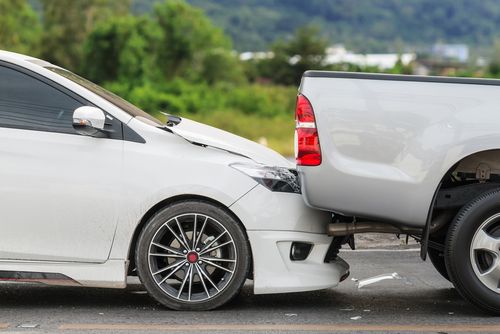
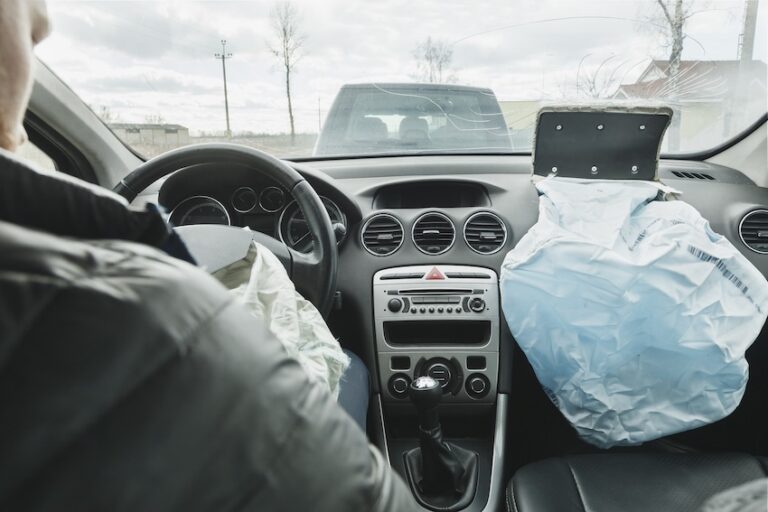
Weather is one of the most significant factors influencing truck accident rates across Georgia. When rain, fog, ice, or high winds make driving conditions hazardous, the likelihood of serious accidents increases sharply. Poor visibility, slick roads, and reduced traction all make large commercial trucks more difficult to control, often resulting in multi-vehicle crashes and severe injuries.
If you have been hurt in weather-related truck accidents, it is essential to understand how those conditions contributed to the collision and who may hold liability. Identifying whether negligence, poor maintenance, or unsafe driving played a role is key to building a strong case. Speaking with an experienced truck accident lawyer can help you uncover the facts, protect your rights, and pursue full compensation for your injuries.
Contact us today or call 770-HELP-NOW for a free consultation with a lawyer from our team. You pay nothing unless we win your case!
Why Weather Makes Truck Accidents More Dangerous
Commercial trucks weigh up to 80,000 pounds and need significantly more time and distance to stop than regular vehicles. Add rain, ice, or heavy fog to the equation, and even experienced drivers can lose control. The physics are unforgiving: reduced traction, limited visibility, and high vehicle mass create perfect conditions for catastrophic accidents.
Weather-related truck accidents often result in severe injuries, including traumatic brain injuries, spinal cord damage, and crush injuries. Federal data shows that adverse weather contributes to roughly 10% of fatal truck accidents with 7% occurring on wet roads alone.
Rain and Hydroplaning Risks
Heavy rain creates two of the most dangerous conditions for large trucks: hydroplaning and reduced visibility. Hydroplaning occurs when water builds up between the tires and the road surface, causing a total loss of traction and steering control. For a fully loaded truck traveling at highway speeds, this can lead to jackknifing, rollovers, or multi-vehicle accidents. Reduced visibility from spray and downpours also prevents drivers from reacting quickly to hazards, greatly increasing the risk of serious truck accidents on Georgia’s busy interstates.
| Hazard | Mechanism | Effect on Truck Control / Evidence to Collect |
|---|---|---|
| Hydroplaning | Water film lifts tires from the pavement | Loss of steering/braking control; collect ELD/telematics, lack of skid marks, witness accounts |
| Reduced Visibility | Spray, heavy downpour, splash | Delayed hazard detection; collect dashcam, weather logs, and photos of conditions |
| Standing Water | Aquaplaning and uneven braking | Sudden deceleration or steering input anomalies; collect scene photos, witness statements |
Truck drivers have a legal responsibility to slow down and adapt their driving to wet conditions. Failing to do so constitutes negligence, especially when traveling at unsafe speeds during a storm. Trucking companies that pressure drivers to stay on schedule in bad weather can also be held liable for resulting crashes. After a rain-related truck accident, key evidence often includes dashcam footage, official weather reports, electronic logging device (ELD) data showing vehicle speed, and tire maintenance records. A skilled truck accident lawyer from our law firm can use this information to establish fault and help victims recover fair compensation under Georgia law.
The Dangers of Snow and Ice
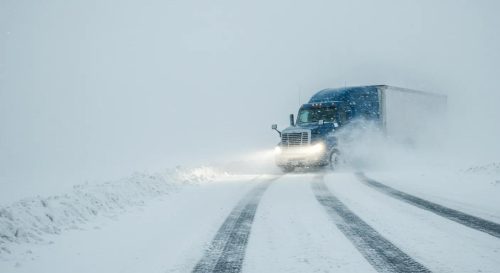
Black ice is one of the most dangerous hazards on Georgia’s roads because it is nearly invisible until it’s too late. When a truck encounters black ice at highway speeds, the driver can lose control almost instantly, leading to jackknife or multi-vehicle accidents. Bridges and overpasses freeze before other surfaces, creating hidden danger zones that often catch even experienced drivers by surprise. Although Georgia rarely experiences heavy snow, periodic ice storms can cause severe truck accidents and pileups across the state. Many local and out-of-state drivers lack experience handling these slick conditions, which makes prevention and caution critical.
Trucking companies operating in Georgia have a responsibility to train their drivers for winter driving and to provide the proper safety equipment, including tire chains, when conditions warrant it. Proving liability in snow and ice-related truck accidents often depends on thorough documentation, such as Department of Transportation road treatment logs, weather station data, vehicle maintenance records, and dispatch communications. If a company directs a driver to operate during a winter weather advisory or ignores known risks, an experienced truck accident lawyer from our team can use that evidence to demonstrate negligence and pursue compensation for victims.
Fog: The Silent Killer
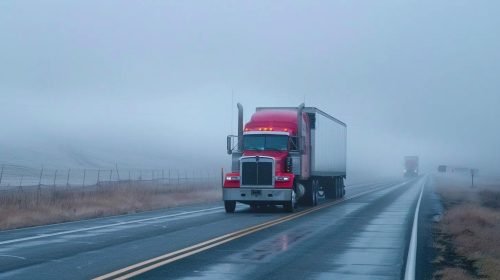
Dense fog can reduce visibility to just a few feet, turning Georgia highways into dangerous corridors where truck accidents frequently occur. Multi-vehicle pileups are common because drivers often cannot see stopped or slowing traffic until it is too late. Large trucks require several hundred feet to stop safely, and when visibility drops below that distance, rear-end collisions become almost unavoidable. These conditions make it critical for commercial drivers to recognize visibility limits and adjust their speed accordingly to prevent serious accidents.
Experienced truck drivers know to slow down, use hazard lights, and increase following distance when operating in fog. Trucking companies must also allow drivers to pull over and wait for conditions to improve rather than pressuring them to stay on schedule. When a driver continues at highway speed despite low visibility, or when a company enforces unsafe delivery deadlines, both may be held liable for resulting crashes. Victims of fog-related truck accidents should consult a qualified truck accident lawyer who can investigate weather data, driver logs, and company policies to establish negligence and recover fair compensation.
High Winds and Rollover Accidents
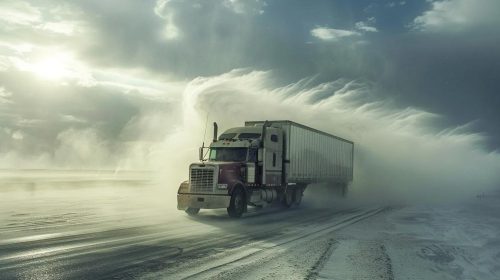
Strong crosswinds pose a serious threat to commercial trucks on Georgia highways. Empty or lightly loaded trailers, especially box trucks and flatbeds, are particularly vulnerable because their large side surfaces act like sails in heavy wind. When gusts exceed 40 miles per hour, even experienced drivers can lose control, resulting in dangerous rollovers or multi-vehicle accidents. Proper load distribution and secure cargo are essential to maintaining stability and preventing a potentially catastrophic truck accident.
Trucking companies have a legal duty to monitor weather forecasts and delay or reroute vehicles when high-wind warnings are issued. Ignoring these warnings or failing to train drivers on wind safety can create clear grounds for liability if a crash occurs. Evidence such as load manifests, weather advisories, telematics data, and maintenance logs for trailer stability systems often determines whether the company took reasonable precautions. A knowledgeable truck accident lawyer can analyze this information to prove negligence and help victims recover compensation for injuries and losses caused by wind-related truck accidents.
Extreme Heat and Mechanical Failures
Extreme heat can significantly increase the likelihood of a truck accident by putting added stress on a vehicle’s mechanical systems. High temperatures raise tire pressure, leading to blowouts that can cause trucks to lose control at highway speeds. Overheated brakes may fail on long downhill grades, while engine cooling systems can malfunction under intense strain. Combined with driver fatigue and dehydration, these factors create dangerous conditions that often lead to serious accidents involving multiple vehicles.
When a trucking company fails to maintain its fleet or pushes drivers to operate in unsafe heat, it can be held liable for any resulting truck accident. Proper maintenance, such as checking tires, brakes, and cooling systems, is essential, as is ensuring drivers have adequate rest and hydration. Victims of heat-related crashes should contact an experienced truck accident lawyer from our law firm to explore their legal options.
Who’s Liable for Weather-Related Truck Accidents?
Many insurance companies try to blame weather-related truck accidents on “acts of God” to avoid paying claims. Don’t fall for it. Just because the weather was a factor doesn’t mean the driver and trucking company aren’t liable.
Liability in weather-related accidents hinges on whether the truck driver and company met their duty of care. That means:
- Adjusting speed for conditions
- Delaying travel when weather forecasts warn of dangerous conditions
- Maintaining equipment properly (especially tires and brakes)
- Providing adequate training for adverse weather
- Not pressuring drivers to meet deadlines at the expense of safety
A truck accident lawyer can help you gather evidence showing negligence. Critical records include ELD data, dispatch communications, maintenance logs, and company safety policies. Often, the difference between a denied claim and full compensation comes down to having an experienced lawyer who knows what evidence to pursue.
What Compensation Can You Recover?
Victims of weather-related truck accidents in Georgia may qualify for several types of compensation depending on the severity of their injuries and the degree of liability involved. Economic damages cover tangible financial losses such as medical bills, lost wages, rehabilitation costs, and long-term care expenses. Keeping detailed records of every medical visit, repair invoice, and pay stub helps strengthen your case after an accident. Non-economic damages provide compensation for pain and suffering, emotional distress, and reduced quality of life. These losses can be significant in serious truck accident cases where the injuries cause lasting physical or emotional harm.
In some situations, the court may also award punitive damages when a trucking company acts with extreme negligence or disregard for safety, such as pressuring drivers to operate during severe weather or failing to maintain safe equipment. A qualified truck accident lawyer evaluates every aspect of your case to determine fair compensation. By reviewing maintenance records, driver logs, and weather data, an experienced accident lawyer can establish fault, prove negligence, and ensure that you receive the full recovery available under Georgia law.
Critical Steps After a Weather-Related Truck Accident
If you’re involved in a truck accident during bad weather, take these steps:
- Get medical attention immediately—even if you feel fine. Some injuries don’t show symptoms right away.
- Document everything—photograph vehicle damage, road conditions, weather, skid marks, and debris. Take pictures of the sky to show weather conditions at the time.
- Collect witness information—get names and phone numbers of anyone who saw the accident.
- Request the police report—this official record documents conditions and preliminary fault determinations.
- Preserve evidence—don’t repair your vehicle before consulting a lawyer. Damaged parts can be crucial evidence.
- Contact a truck accident lawyer quickly—critical evidence like ELD data can be lost if not secured immediately. Many trucking companies overwrite this data within days.
- Avoid giving statements to insurance companies—anything you say can be used to minimize your claim. Let your truck accident lawyer handle communications.
Why Legal Representation Matters
Truck accident cases are complex. Trucking companies have teams of lawyers and investigators working to limit their liability. Going up against them alone puts you at a serious disadvantage.
An experienced truck accident lawyer levels the playing field by:
- Securing perishable evidence before it’s lost
- Subpoenaing maintenance and dispatch records
- Hiring accident reconstruction experts
- Calculating full damages, including future costs
- Negotiating aggressively with insurance companies
- Taking the case to trial if necessary
The Weinstein Firm has recovered significant compensation for truck accident victims, including a $1.5 million settlement in one truck accident case. We work on a contingency fee basis; you pay nothing unless we win your case.
Contact a Truck Accident Lawyer from The Weinstein Firm for a Free Consultation Today
Even if bad weather contributed to your accident, that does not mean you are without legal options. Truck drivers and trucking companies have a duty to operate safely in all conditions. When they fail to take reasonable precautions—such as slowing down, inspecting equipment, or delaying travel—they can be held liable for the resulting truck accidents and injuries.
If you were injured in a weather-related truck accident anywhere in Georgia, including Atlanta, Alpharetta, Conyers, Decatur, Dunwoody, Fayetteville, Johns Creek, Kennesaw, Lawrenceville, McDonough, Newnan, Roswell, or Watkinsville, The Weinstein Firm is ready to help. An experienced truck accident lawyer will review your case, explain your rights under Georgia’s laws, and fight to secure the maximum compensation you deserve.
Do not face complex accident claims on your own—contact us today or call 770-HELP-NOW for a free consultation. You pay nothing unless we win your case!